Gods, heroes, mortals & monsters
Figures of Greek Mythology
Search the people, gods, heroes, creatures and other figures that make up the world of Greek mythology.
438 figures currently in Kosmos
Filter by type
A–Z
Showing 438 figures
Abas
ἌβαςKing of Argos and father of the twin brothers Acrisius and Proetus.
Explore figure →Acamas
ἈκάμαςSon of Theseus and Phaedra who participates in Trojan War traditions.
Explore figure →Achelous
ἈχελῷοςPowerful river god of Aetolia, often regarded as foremost among the river gods.
Roman / Latin: Achelous Explore figure →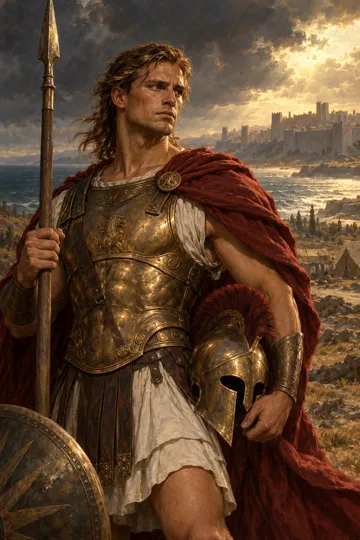
Achilles
ἈχιλλεύςGreatest Greek warrior of the Trojan War and central hero of the Iliad.
Explore figure →Acrisius
ἈκρίσιοςKing of Argos, father of Danaë and grandfather of Perseus.
Explore figure →Actaeon
ἈκταίωνHunter transformed into a stag and torn apart by his own hounds after offending Artemis.
Explore figure →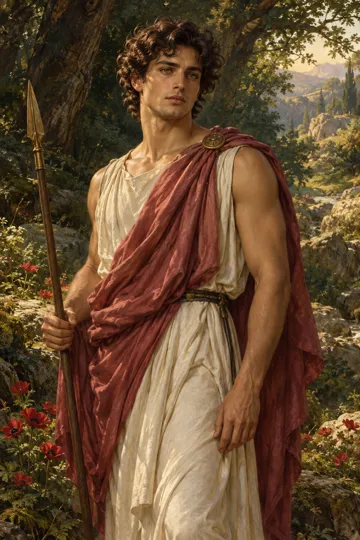
Adonis
ἌδωνιςBeautiful youth loved by Aphrodite and associated with death, lamentation and seasonal renewal.
Explore figure →Adrastus
ἌδραστοςKing of Argos who supports Polynices and leads the expedition known as the Seven Against Thebes.
Explore figure →Aeacus
ΑἰακόςAeacus is the legendary king of Aegina, son of Zeus and Aegina, and father of Peleus, Telamon and Phocus. Through Peleus and Telamon he becomes the grandfather of Achilles and Ajax the Great.
Explore figure →Aeetes
ΑἰήτηςKing of Colchis and keeper of the Golden Fleece.
Explore figure →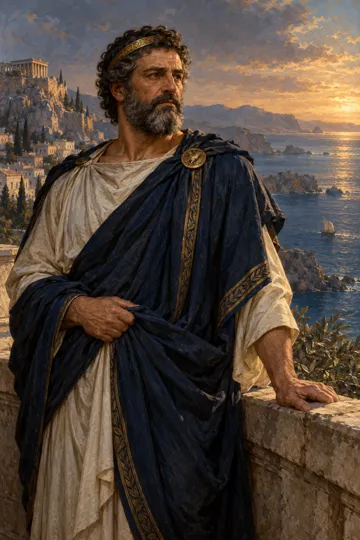
Aegeus
ΑἰγεύςKing of Athens and mortal father of Theseus in the principal Athenian tradition.
Explore figure →Aegialeus
ΑἰγιαλεύςSon of Adrastus and one of the Epigoni, killed during the successful second expedition against Thebes.
Explore figure →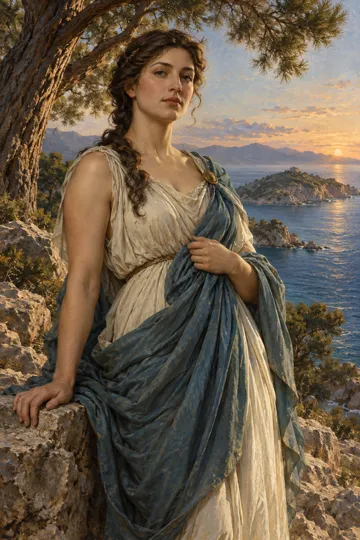
Aegina
ΑἴγιναAegina is a nymph and daughter of the river god Asopus. Zeus carries her to the island later called Aegina, where she becomes the mother of Aeacus.
Explore figure →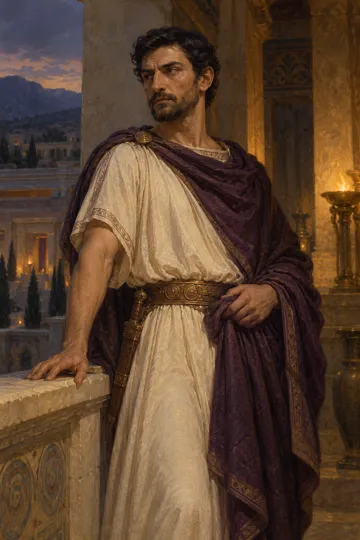
Aegisthus
ΑἴγισθοςSon of Thyestes and Pelopia who later becomes the lover of Clytemnestra and helps murder Agamemnon.
Explore figure →Aegle
ΑἴγληAegle is one of the Hesperides, the nymphs associated with the garden of the golden apples at the western edge of the mythical world.
Explore figure →Aegyptus
ΑἴγυπτοςBrother of Danaus and father of the fifty sons.
Explore figure →Aeneas
ΑἰνείαςTrojan hero, son of Aphrodite and Anchises, who escapes the fall of Troy.
Roman / Latin: Aeneas Explore figure →Aeolus
ΑἴολοςKeeper and ruler of the winds in Homeric tradition.
Roman / Latin: Aeolus Explore figure →Aeolus of Aeolia
ΑἴολοςKeeper of the winds who gives Odysseus a bag containing the storm winds.
Explore figure →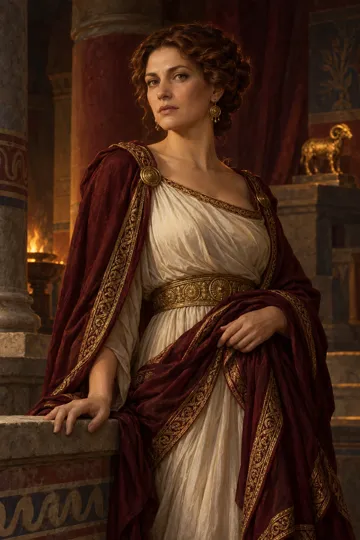
Aerope
ἈερόπηAerope is the wife of Atreus and mother of Agamemnon and Menelaus in the familiar tradition. Her relationship with Thyestes becomes a crucial cause of the feud that devastates the House of Atreus.
Explore figure →Aeson
ΑἴσωνFather of Jason and rightful king of Iolcus in the Argonaut tradition.
Explore figure →
Aether
ΑἰθήρPrimordial personification of the bright upper air.
Explore figure →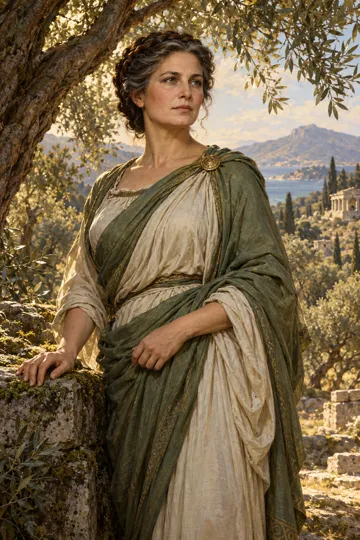
Aethra
ΑἴθραPrincess of Troezen and mother of Theseus.
Explore figure →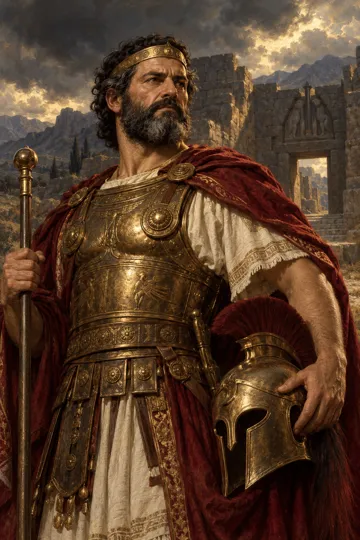
Agamemnon
ἈγαμέμνωνAgamemnon is the king of Mycenae and commander of the Greek coalition in the Trojan War. A son of Atreus and brother of Menelaus, he stands at the centre of the House of Atreus, the sacrifice of Iphigenia, the fall of Troy and the cycle of revenge that ends in his murder by Clytemnestra and Aegisthus.
Explore figure →Agave
ἈγαύηAgave is a daughter of Cadmus and Harmonia, wife of Echion and mother of Pentheus. She becomes central to the tragedy of Pentheus and Dionysus at Thebes.
Explore figure →Agenor
ἈγήνωρBrother of Belus and founder of the Phoenician royal line.
Explore figure →Aglaea
ἈγλαΐαGrace of beauty and splendour.
Explore figure →Ajax the Great
ΑἴαςAjax the Great is one of the strongest Greek warriors at Troy, second only to Achilles in several traditions. His downfall begins when Odysseus receives Achilles' armour instead of him.
Explore figure →Alcaeus
ἈλκαῖοςSon of Perseus and Andromeda and father of Amphitryon.
Explore figure →Alcimede
ἈλκιμέδηMother of Jason in a common tradition.
Explore figure →Alcinous
ἈλκίνοοςKing of the Phaeacians who receives Odysseus and helps him return to Ithaca.
Explore figure →Alcmaeon
ἈλκμαίωνSon of Amphiaraus and Eriphyle who leads the Epigoni and later kills his mother in revenge for his father's fate.
Explore figure →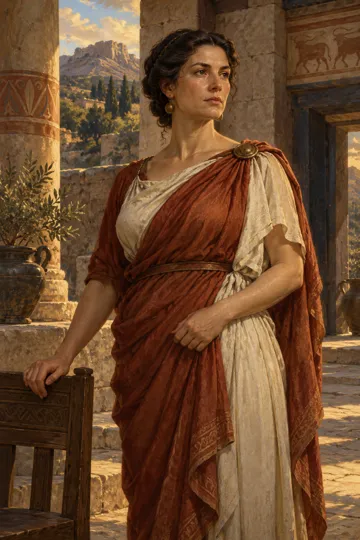
Alcmene
ἈλκμήνηMother of Heracles.
Explore figure →Alcyone
ἈλκυόνηOne of the seven Pleiades.
Explore figure →Alecto
ἈληκτώOne of the Erinyes, divine powers of vengeance and punishment.
Roman / Latin: Fury Explore figure →Alpheus
ἈλφειόςRiver god of the Peloponnese, famous for his pursuit of Arethusa.
Roman / Latin: Alpheus Explore figure →Althaea
ἈλθαίαMother of Meleager, linked to the fatal brand that determines his life.
Explore figure →Althaemenes
ἈλθαιμένηςSon of Catreus who leaves Crete after learning of a prophecy and later unknowingly kills his father on Rhodes.
Explore figure →Amphiaraus
ἈμφιάραοςProphetic warrior who knows the expedition against Thebes is doomed but is compelled to join after Eriphyle accepts a bribe.
Explore figure →Amphion
ἈμφίωνKing of Thebes, husband of Niobe, famed for music that helped raise the walls of Thebes.
Explore figure →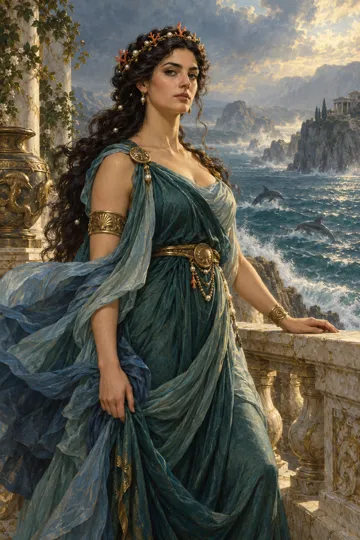
Amphitrite
ἈμφιτρίτηSea goddess and consort of Poseidon.
Roman / Latin: Salacia Explore figure →Amphitryon
ἈμφιτρύωνMortal husband of Alcmene.
Explore figure →Ananke
ἈνάγκηPrimordial personification of inevitability and necessity.
Explore figure →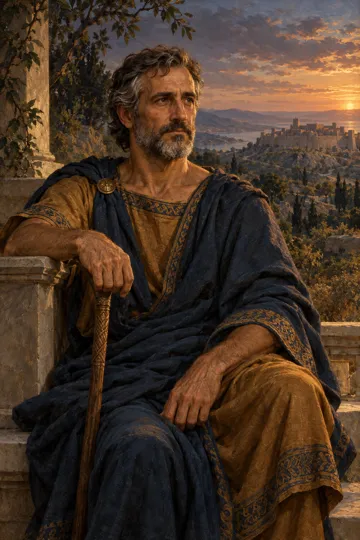
Anchises
ἈγχίσηςTrojan prince loved by Aphrodite and father of Aeneas.
Explore figure →Androgeus
ἈνδρόγεωςSon of Minos whose death becomes central to the tribute of Athenian youths to Crete.
Explore figure →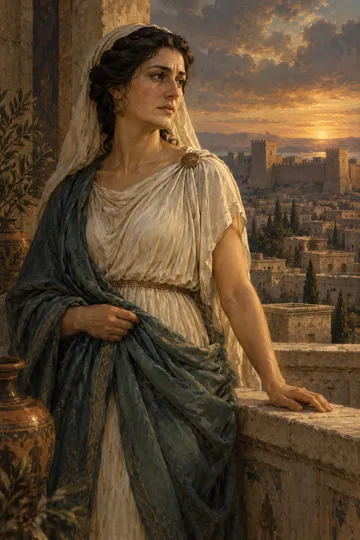
Andromache
ἈνδρομάχηWife of Hector and mother of Astyanax, remembered especially for her grief during and after the Trojan War.
Explore figure →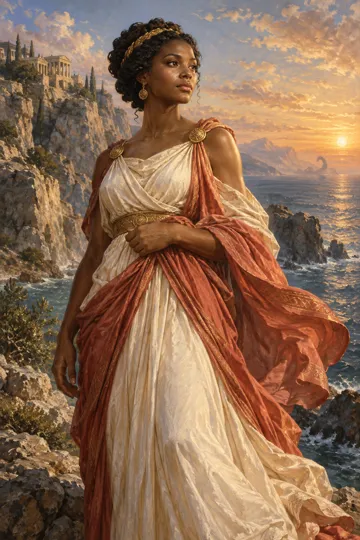
Andromeda
ἈνδρομέδαPrincess rescued by Perseus from the sea monster.
Explore figure →Antenor
ἈντήνωρSenior Trojan counsellor associated with diplomacy, hospitality toward the Greek envoys and proposals to return Helen.
Explore figure →Anticlea
ἈντίκλειαMother of Odysseus.
Explore figure →Antigone
ἈντιγόνηDaughter of Oedipus, famed for defying Creon to bury her brother Polynices.
Explore figure →Antiope
ἈντιόπηAmazon associated with Theseus and commonly named as mother of Hippolytus.
Explore figure →Apate
ἈπάτηPersonification of deceit and deception.
Roman / Latin: Fraus Explore figure →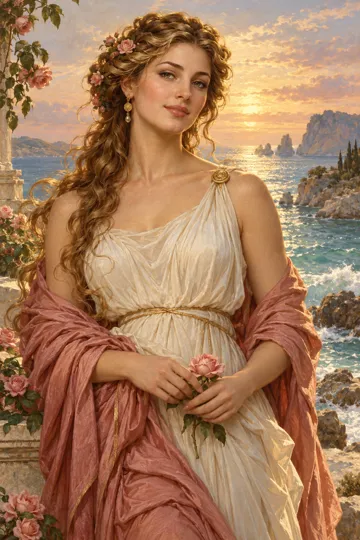
Aphrodite
ἈφροδίτηGoddess of love, beauty, desire and attraction.
Roman / Latin: Venus Explore figure →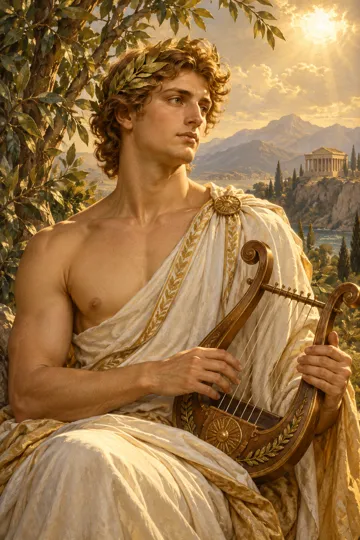
Apollo
ἈπόλλωνGod of prophecy, music, healing, archery and several forms of divine order.
Roman / Latin: Apollo Explore figure →Apsyrtus
ἌψυρτοςSon of Aeetes and brother of Medea whose death becomes one of the darkest episodes in the Argonauts' escape from Colchis.
Explore figure →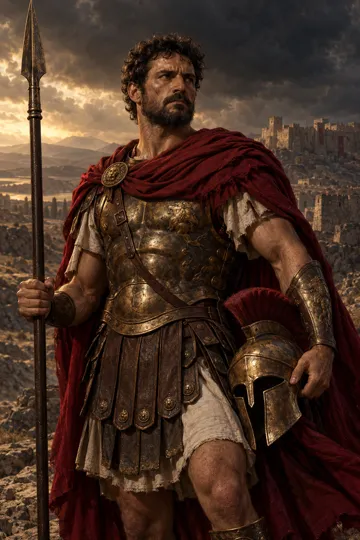
Ares
ἌρηςGod of the violent and chaotic aspects of warfare.
Roman / Latin: Mars Explore figure →Arete
ἈρήτηQueen of the Phaeacians and wife of Alcinous.
Explore figure →Arethusa
ἈρέθουσαFreshwater nymph associated with a famous spring at Syracuse and the river god Alpheus.
Roman / Latin: Arethusa Explore figure →Arethusa (Hesperid)
ἈρέθουσαArethusa is one of the Hesperides, the western nymphs connected with the garden of the golden apples and the Labour of Heracles.
Explore figure →Argus
ἌργοςShipwright traditionally credited with constructing the Argo.
Explore figure →Argus Panoptes
Many-eyed guardian appointed by Hera to watch over Io.
Roman / Latin: Argus Explore figure →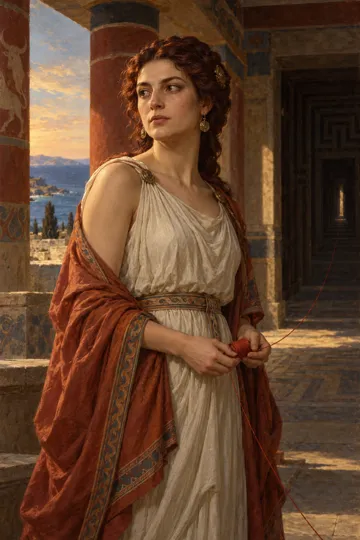
Ariadne
ἈριάδνηDaughter of Minos who helped Theseus escape the Labyrinth.
Explore figure →Aristaeus
ἈρισταῖοςRustic god associated with beekeeping, pastoral crafts and fatherhood of Actaeon in a major tradition.
Explore figure →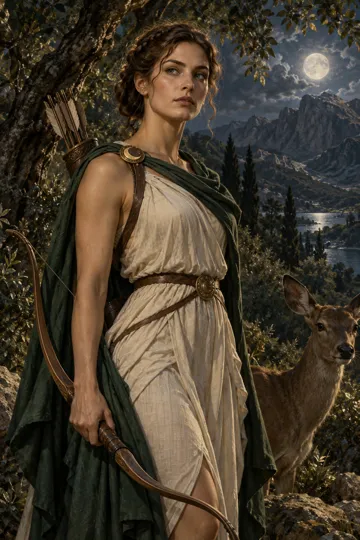
Artemis
ἌρτεμιςGoddess of the hunt, wilderness, wild animals and young women.
Roman / Latin: Diana Explore figure →Asclepius
ἈσκληπιόςGod of medicine and healing.
Roman / Latin: Aesculapius Explore figure →Asia
ἈσίαOceanid whose genealogy overlaps with Clymene in some traditions.
Explore figure →Asopus
ἈσωπόςRiver god associated with Boeotia and Sicyon and father of many nymphs.
Roman / Latin: Asopus Explore figure →Assaracus
ἈσσάρακοςSon of Tros and ancestor of Anchises and Aeneas.
Explore figure →Asteria
ἈστερίαTitaness associated with stars and nocturnal divination.
Explore figure →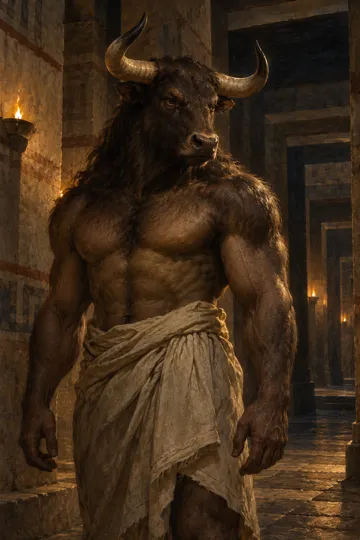
Asterion (Minotaur)
ἈστερίωνThe bull-headed monster confined within the Labyrinth of Crete.
Roman / Latin: Minotaur Explore figure →Astraeus
ἈστραῖοςTitan god associated with stars, planets and the winds.
Explore figure →Astyanax
ἈστυάναξYoung son of Hector and Andromache whose fate becomes one of the most tragic consequences of the fall of Troy.
Explore figure →Astyoche
ἈστυόχηWife of Erichthonius and mother of Tros in a common genealogy.
Explore figure →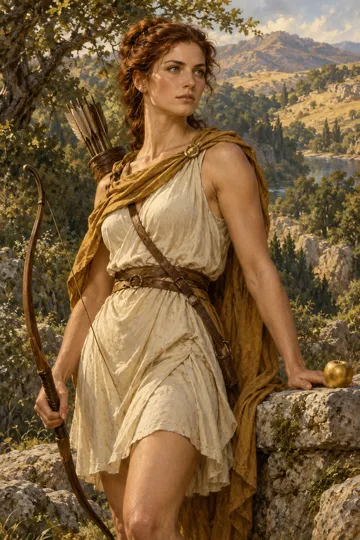
Atalanta
ἈταλάντηFamed huntress who takes part in the Calydonian Boar Hunt and later races her suitors.
Explore figure →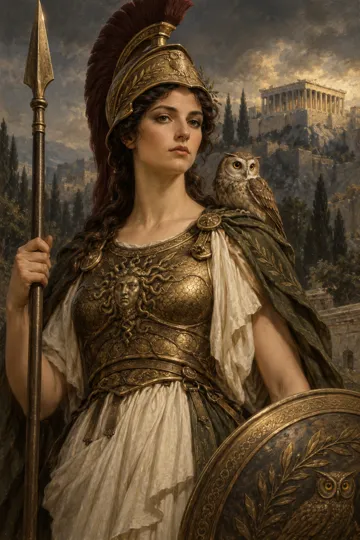
Athena
ἈθηνᾶGoddess of wisdom, strategic warfare, crafts and civic order.
Roman / Latin: Minerva Explore figure →Atlas
ἌτλαςTitan condemned to hold up the heavens after the Titanomachy.
Explore figure →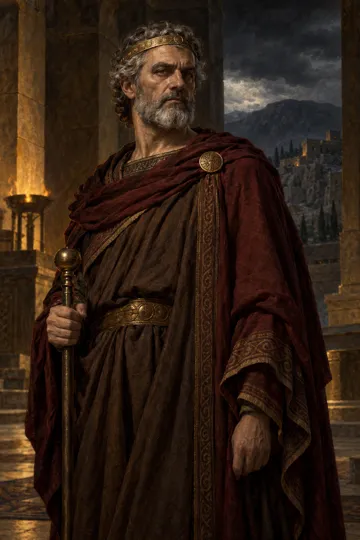
Atreus
ἈτρεύςAtreus is the king of Mycenae whose feud with his brother Thyestes creates the central curse of the House of Atreus. His revenge at the Feast of Thyestes sets in motion the violence that later reaches Agamemnon, Aegisthus, Clytemnestra and Orestes.
Explore figure →Atropos
ἌτροποςThe Fate who cuts the thread of life.
Explore figure →Augeas
ΑὐγείαςKing of Elis whose vast stables Heracles cleans as one of his Labours.
Explore figure →Autonoe
ΑὐτονόηMother of Actaeon.
Explore figure →Batea
ΒάτειαWife of Dardanus and mother of Erichthonius in a major tradition.
Explore figure →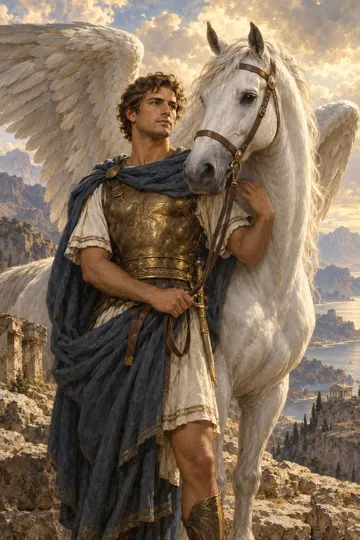
Bellerophon
ΒελλεροφῶνHero famed for taming Pegasus and slaying the Chimera.
Explore figure →Belus
ΒῆλοςFather of Danaus and Aegyptus.
Explore figure →Bia
ΒίαPersonification of force and violent strength.
Explore figure →Boreas
ΒορέαςGod of the north wind.
Roman / Latin: Aquilo Explore figure →Cadmus
ΚάδμοςCadmus is the legendary founder of Thebes and one of the central ancestors of the Theban royal house. His search for Europa leads to the foundation of the city, the dragon's teeth and the birth of the Spartoi.
Explore figure →Caeneus
ΚαινεύςCaeneus is an extraordinary Lapith hero associated with the Centauromachy and described in ancient tradition as invulnerable to ordinary weapons.
Explore figure →Calais
ΚάλαϊςWinged son of Boreas and brother of Zetes who joins the Argonaut expedition.
Explore figure →Calliope
ΚαλλιόπηMuse of epic poetry and commonly mother of Orpheus.
Explore figure →Callirrhoe
ΚαλλιρρόηOceanid whose name means beautiful-flowing, linked to several heroic genealogies.
Explore figure →Calydonian Boar
Καλυδώνιος κάπροςEnormous boar sent by Artemis to ravage Calydon.
Explore figure →Calypso
ΚαλυψώNymph who detains Odysseus on Ogygia for many years.
Explore figure →Capaneus
ΚαπανεύςOne of the Seven Against Thebes, famed for his arrogance and killed by Zeus while assaulting the city.
Explore figure →Capys
ΚάπυςDescendant of Assaracus and father of Anchises.
Explore figure →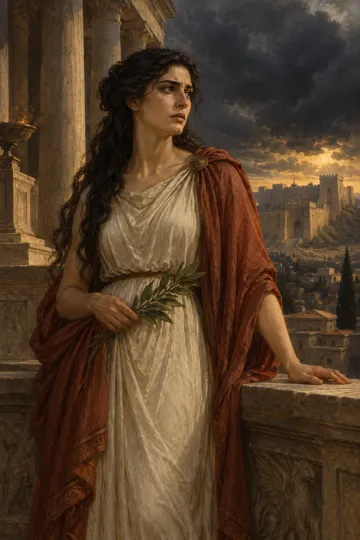
Cassandra
ΚασσάνδραTrojan princess and prophetess cursed so that her true prophecies would not be believed.
Explore figure →Cassiopeia
ΚασσιόπειαQueen of Ethiopia and mother of Andromeda, whose boast provoked divine punishment.
Explore figure →Castor
ΚάστωρOne of the Dioscuri and a member of the Argonauts.
Explore figure →Catreus
ΚατρεύςSon of Minos and Pasiphaë and king of Crete.
Explore figure →Cecrops
ΚέκροψCecrops is an early mythical king of Attica and Athens, traditionally described as autochthonous — born from the land itself. He is closely associated with the earliest Athenian traditions and with the contest between Athena and Poseidon for the city.
Explore figure →Celaeno
ΚελαινώOne of the seven Pleiades.
Explore figure →Cepheus
ΚηφεύςKing of Ethiopia and father of Andromeda.
Explore figure →Cephissus
ΚηφισόςRiver god commonly named as father of Narcissus.
Explore figure →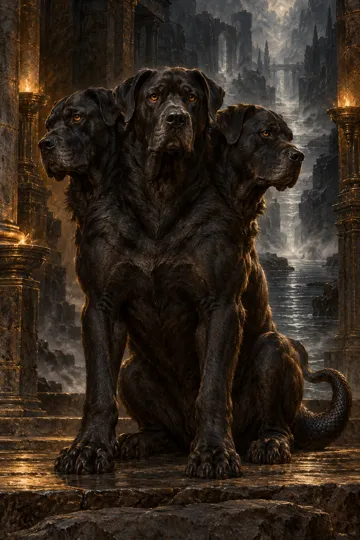
Cerberus
ΚέρβεροςMulti-headed hound guarding the entrance to the Underworld.
Roman / Latin: Cerberus Explore figure →Ceryneian Hind
Κερυνῖτις ἔλαφοςSacred hind of Artemis captured alive by Heracles.
Explore figure →Ceto
ΚητώAncient sea goddess associated with sea monsters and dangers of the deep.
Explore figure →
Chaos
ΧάοςThe primordial state or yawning void at the beginning of the Greek cosmos.
Explore figure →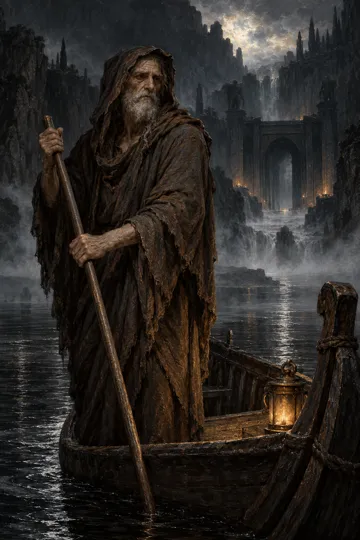
Charon
ΧάρωνFerryman who carries the dead across the waters of the Underworld.
Roman / Latin: Charon Explore figure →Charybdis
ΧάρυβδιςDevouring whirlpool monster encountered by Odysseus opposite Scylla.
Explore figure →Chimera
ΧίμαιραFire-breathing hybrid monster with lion, goat and serpent features.
Roman / Latin: Chimaera Explore figure →Chloris
ΧλωρίςWife of Neleus and mother of Nestor in the major tradition.
Explore figure →Chrysaor
ΧρυσάωρBrother of Pegasus, born from Medusa after her death.
Explore figure →Chrysothemis
ΧρυσόθεμιςDaughter of Agamemnon and Clytemnestra.
Explore figure →Cilix
ΚίλιξBrother of Cadmus and mythical founder of Cilicia.
Explore figure →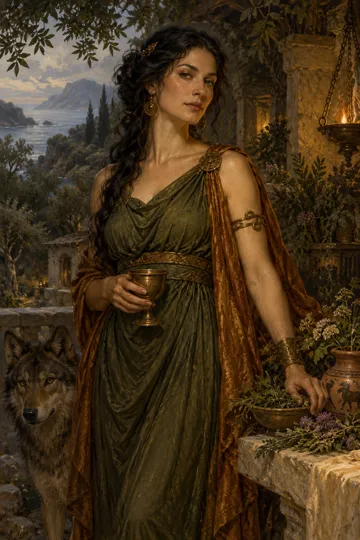
Circe
ΚίρκηDivine enchantress associated with magic and transformation.
Roman / Latin: Circe Explore figure →Clio
ΚλειώMuse of history.
Explore figure →Clotho
ΚλωθώThe Fate who spins the thread of life.
Explore figure →Clymene
ΚλυμένηOceanid named in several traditions as mother of the sons of Iapetus.
Explore figure →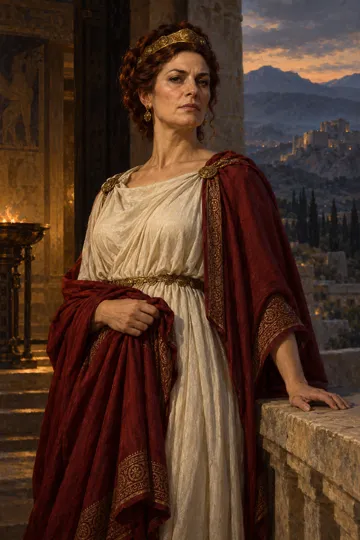
Clytemnestra
ΚλυταιμνήστραClytemnestra is the queen of Mycenae, wife of Agamemnon and mother of Iphigenia, Electra and Orestes. After Agamemnon's return from Troy, she and Aegisthus kill him, leading directly to Orestes' revenge and the final crisis of the House of Atreus.
Explore figure →Clytie
ΚλυτίηOceanid associated in later tradition with Helios and transformation into a sun-following flower.
Explore figure →Coeus
ΚοῖοςOne of the elder Titans.
Explore figure →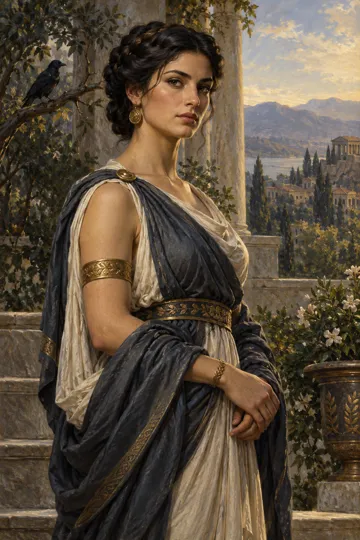
Coronis
ΚορωνίςThessalian princess and mother of Asclepius by Apollo.
Explore figure →Creon
ΚρέωνRuler of Thebes associated with the stories of Oedipus and Antigone.
Explore figure →Creon of Corinth
ΚρέωνKing of Corinth whose daughter becomes Jason's intended bride, bringing him into the final tragedy of Jason and Medea.
Explore figure →Cretan Bull
Κρὴς ΤαῦροςThe divine bull associated with Pasiphaë and later captured by Heracles.
Explore figure →Creusa of Troy
ΚρέουσαDaughter of Priam and wife of Aeneas.
Explore figure →Crius
ΚρεῖοςOne of the elder Titans.
Explore figure →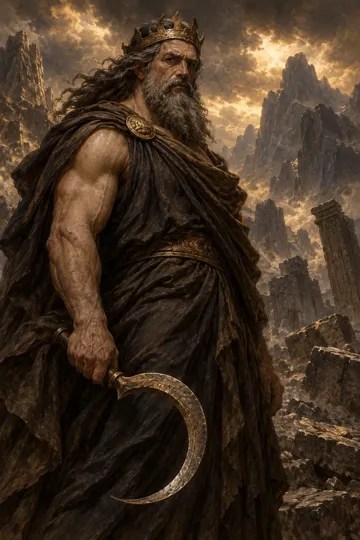
Cronus
ΚρόνοςYoungest of the elder Titans and ruler before Zeus.
Roman / Latin: Saturn Explore figure →Cymopoleia
ΚυμοπόλειαCymopoleia is a daughter of Poseidon in Greek mythology and the wife of Briareus, one of the Hundred-Handers. She survives mainly through a brief but intriguing reference in Hesiodic tradition.
Explore figure →Cyparissus
ΚυπάρισσοςCyparissus is a beautiful youth associated with Apollo whose grief for a beloved stag leads to his transformation into the cypress tree, which became a symbol of mourning.
Explore figure →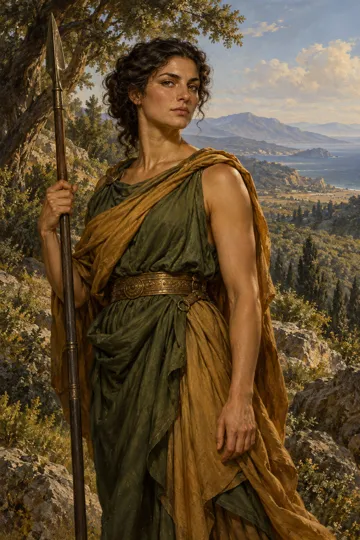
Cyrene
ΚυρήνηHuntress and nymph loved by Apollo.
Explore figure →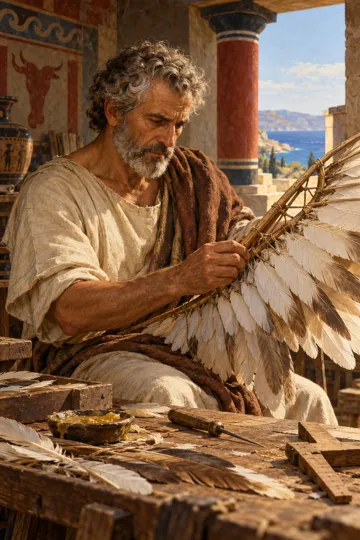
Daedalus
ΔαίδαλοςMaster craftsman who designed the Labyrinth for Minos.
Explore figure →Danaids
ΔαναΐδεςThe daughters of Danaus, condemned in later tradition to fill leaking vessels in the Underworld.
Explore figure →Danaus
ΔαναόςLegendary king of Argos and father of the Danaids.
Explore figure →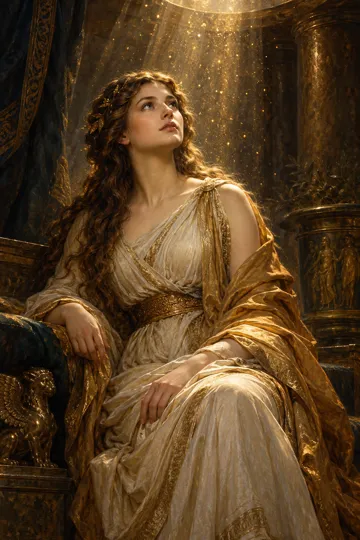
Danaë
ΔανάηMother of Perseus after Zeus visited her as golden rain.
Explore figure →Daphne
ΔάφνηNymph pursued by Apollo and transformed into the laurel tree.
Roman / Latin: Daphne Explore figure →Dardanus
ΔάρδανοςFounder ancestor of the Dardanian and Trojan royal house.
Explore figure →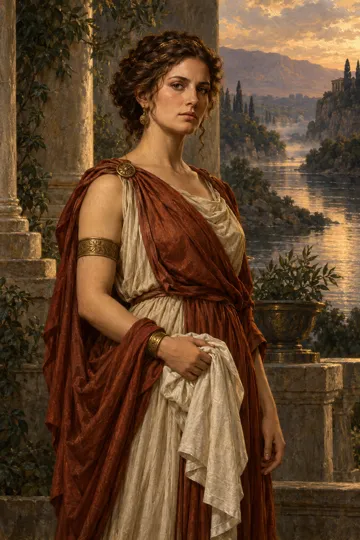
Deianira
ΔηϊάνειραWife of Heracles whose unwitting use of the poisoned blood of Nessus leads to his mortal death.
Explore figure →Deimos
ΔεῖμοςPersonification of terror and dread in battle.
Roman / Latin: Formido Explore figure →Deino
ΔεινώOne of the Graeae, the three ancient sisters.
Explore figure →Deiphobus
ΔηΐφοβοςTrojan prince and prominent warrior, later associated with Helen after Paris' death.
Explore figure →Deipyle
ΔηιπύληDaughter of Adrastus and mother of Diomedes.
Explore figure →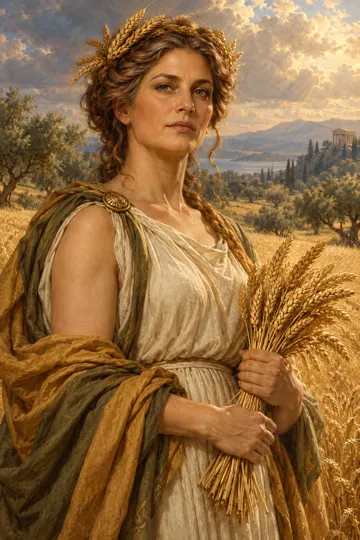
Demeter
ΔημήτηρGoddess of agriculture, grain and fertility.
Roman / Latin: Ceres Explore figure →Demophon
ΔημοφῶνSon of Theseus and Phaedra and later king of Athens.
Explore figure →Despoina
ΔέσποιναArcadian mystery goddess whose true cult name was kept secret.
Explore figure →Deucalion
ΔευκαλίωνSurvivor of the great flood and ancestor of later Greek peoples.
Explore figure →Deucalion of Crete
ΔευκαλίωνSon of Minos and Pasiphaë and later king of Crete.
Explore figure →Dike
ΔίκηGoddess of justice.
Explore figure →Diomedes
ΔιομήδηςKing of Argos and one of the foremost Greek warriors in the Iliad.
Explore figure →Diomedes of Thrace
ΔιομήδηςThracian king whose man-eating mares Heracles must capture.
Explore figure →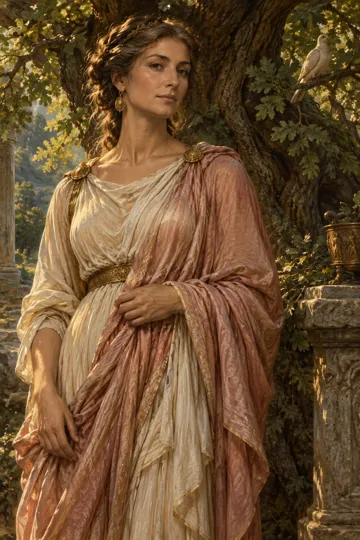
Dione
ΔιώνηDivine figure associated in Homeric tradition with Zeus as mother of Aphrodite.
Explore figure →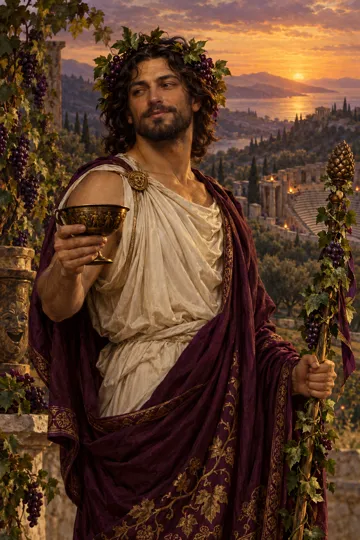
Dionysus
ΔιόνυσοςGod of wine, ecstasy, theatre, vegetation and ritual transformation.
Roman / Latin: Bacchus Explore figure →Doris
ΔωρίςOceanid associated with the bounty and fertility of the sea.
Explore figure →Echidna
ἜχιδναSerpentine monster and mother of many famous monsters.
Explore figure →Echion
ἘχίωνEchion is one of the Spartoi, the warriors said to have sprung from the dragon's teeth sown by Cadmus at Thebes. He becomes an ancestor of the Theban royal house through his marriage to Agave.
Explore figure →Echo
ἨχώMountain nymph whose voice survives as an echo in the best-known later tradition.
Roman / Latin: Echo Explore figure →Eileithyia
ΕἰλείθυιαGoddess of childbirth and labour.
Roman / Latin: Lucina Explore figure →Eirene
ΕἰρήνηGoddess of peace.
Explore figure →Electra
ἨλέκτραOceanid and mother of Iris.
Explore figure →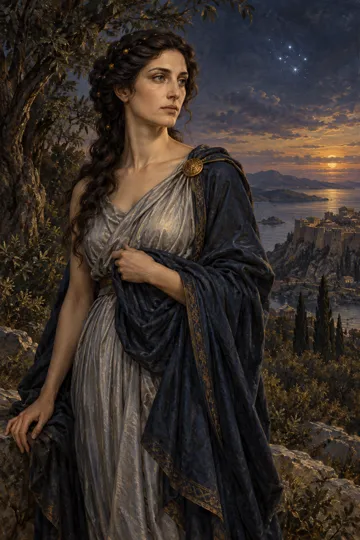
Electra (Pleiad)
ἨλέκτραOne of the seven Pleiades.
Explore figure →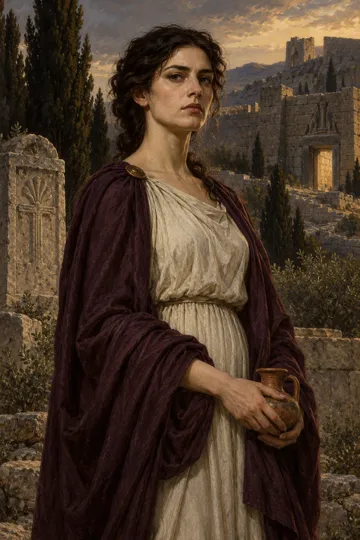
Electra of Mycenae
ἨλέκτραDaughter of Agamemnon and Clytemnestra who aids Orestes in avenging their father.
Explore figure →Electryon
ἨλεκτρύωνFather of Alcmene.
Explore figure →Endymion
Beautiful mortal associated with Selene and a mysterious perpetual sleep.
Roman / Latin: Endymion Explore figure →Enyo
ἘνυώWar goddess associated with destruction, bloodshed and the frenzy of battle.
Roman / Latin: Bellona Explore figure →Enyo (Graea)
ἘνυώOne of the Graeae.
Explore figure →Eos
ἨώςGoddess and personification of the Dawn.
Roman / Latin: Aurora Explore figure →Epaphus
ἜπαφοςSon of Zeus and Io; legendary king of Egypt.
Explore figure →Epimetheus
ἘπιμηθεύςTitan associated with afterthought and brother of Prometheus.
Explore figure →Erato
ἘρατώMuse of lyric poetry.
Explore figure →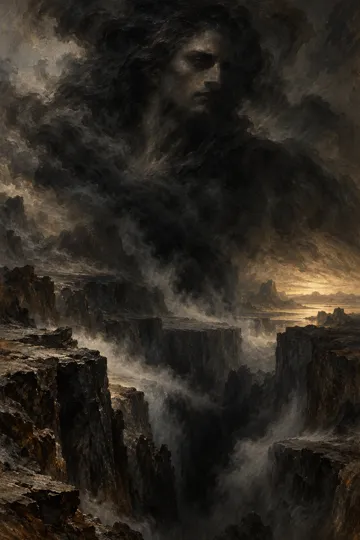
Erebus
ἜρεβοςPrimordial personification of darkness.
Explore figure →Erichthonius of Dardania
ἘριχθόνιοςWealthy king of Dardania and son of Dardanus.
Explore figure →Eriphyle
ἘριφύληWife of Amphiaraus whose decision sends him to the doomed war against Thebes.
Explore figure →Eris
ἜριςGoddess and personification of strife and discord.
Roman / Latin: Discordia Explore figure →Eros
ἜρωςPrimordial force of attraction and desire in early Greek cosmogony.
Roman / Latin: Cupid Explore figure →Eros (Younger Tradition)
ἜρωςGod of erotic love and desire in later genealogical traditions.
Roman / Latin: Cupid Explore figure →Erymanthian Boar
Ἐρυμάνθιος κάπροςWild boar captured alive by Heracles.
Explore figure →Erysichthon
Thessalian king punished by Demeter with an insatiable hunger after violating her sacred grove.
Explore figure →Erytheia
ἘρύθειαErytheia is one of the Hesperides, the nymphs of the far western garden where the golden apples were guarded.
Explore figure →Eteocles
ἘτεοκλῆςSon of Oedipus who fights his brother Polynices for control of Thebes.
Explore figure →Eunomia
ΕὐνομίαGoddess of good order and lawful conduct.
Explore figure →Euphrosyne
ΕὐφροσύνηGrace of joy and mirth.
Explore figure →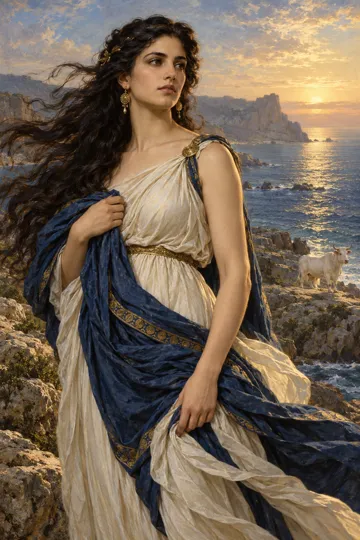
Europa
ΕὐρώπηPhoenician princess carried to Crete by Zeus in the form of a bull.
Explore figure →Eurus
ΕὖροςGod of the east or south-east wind in later tradition.
Roman / Latin: Vulturnus Explore figure →Euryale
ΕὐρυάληOne of the three Gorgons and traditionally immortal.
Explore figure →Eurybia
ΕὐρυβίαSea goddess associated with mastery over the sea and celestial forces.
Explore figure →Eurydice
ΕὐρυδίκηWife of Orpheus, whose death leads to his famous descent into the Underworld.
Explore figure →
Eurynome
ΕὐρυνόμηOceanid goddess associated in Hesiod with Zeus as mother of the Charites.
Explore figure →Eurynome of Corinth
ΕὐρυνόμηMother of Bellerophon in a common genealogical tradition.
Explore figure →Eurystheus
ΕὐρυσθεύςKing of Mycenae who imposes the famous Labours upon Heracles.
Explore figure →Eurytion
ΕὐρυτίωνHerdsman who guards the cattle of Geryon.
Explore figure →Eurytion the Centaur
ΕὐρυτίωνEurytion the Centaur is associated with the outbreak of violence at the wedding of Pirithous and Hippodamia and the beginning of the Centauromachy.
Explore figure →Euterpe
ΕὐτέρπηMuse of music.
Explore figure →
Gaia
ΓαῖαPrimordial goddess and personification of the Earth.
Roman / Latin: Terra Explore figure →Galatea
ΓαλάτειαNereid associated with the calm and milky-white sea.
Explore figure →Galatea of Cyprus
ΓαλάτειαLater name commonly given to the woman brought to life from Pygmalion's statue.
Explore figure →Ganymede
ΓανυμήδηςTrojan prince taken by Zeus to become cupbearer of the gods.
Explore figure →Geras
ΓῆραςPersonification of old age.
Explore figure →Geryon
ΓηρυώνThree-bodied ruler whose cattle Heracles must seize.
Explore figure →Glauce of Corinth
ΓλαύκηDaughter of Creon of Corinth and intended bride of Jason, killed by the poisoned gifts sent by Medea.
Explore figure →Glaucus
ΓλαῦκοςProphetic sea god, originally mortal in some traditions.
Roman / Latin: Glaucus Explore figure →Glaucus of Corinth
ΓλαῦκοςKing of Corinth and father of Bellerophon in the common tradition.
Explore figure →Glaucus of Lycia
ΓλαῦκοςLycian warrior and ally of Troy, companion of Sarpedon, famous for recognising ancestral guest-friendship with Diomedes.
Explore figure →Graeae
ΓραῖαιThree ancient sisters associated with old age, famous for sharing one eye and one tooth.
Explore figure →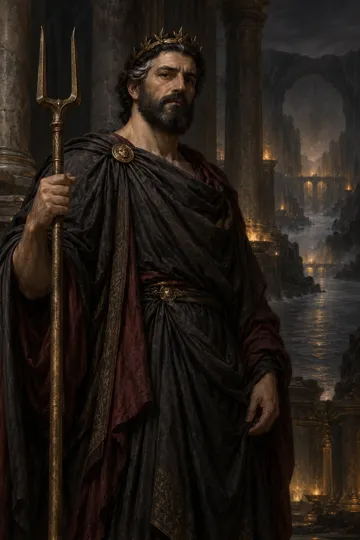
Hades
ᾍδηςGod of the underworld and ruler of the dead.
Roman / Latin: Pluto Explore figure →Harmonia
ἉρμονίαHarmonia is the wife of Cadmus and queen of Thebes, whose marriage connects the founding of the city with the later royal family of Semele, Agave, Pentheus and Dionysus.
Explore figure →Harpies
ἍρπυιαιWinged female beings who torment the prophet Phineus by stealing or fouling his food.
Explore figure →Hebe
ἭβηGoddess of youth and cupbearer of the gods in early tradition.
Roman / Latin: Juventas Explore figure →Hecate
ἙκάτηGoddess associated with crossroads, night, magic, boundaries and liminal spaces.
Roman / Latin: Trivia Explore figure →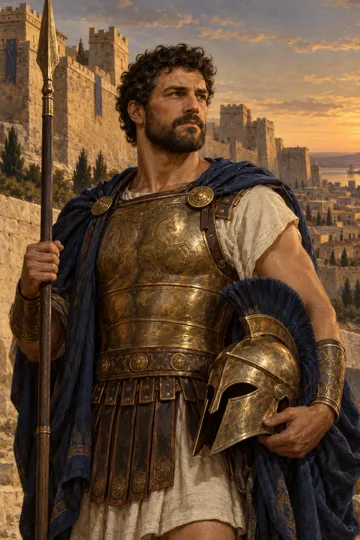
Hector
ἝκτωρGreatest Trojan warrior and defender of Troy.
Explore figure →Hecuba
ἙκάβηQueen of Troy and wife of Priam, mother of many Trojan princes and princesses.
Explore figure →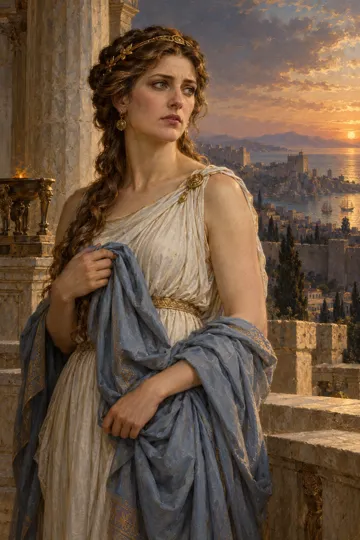
Helen
ἙλένηQueen of Sparta whose departure for Troy becomes the central cause of the Trojan War tradition.
Explore figure →Helenus
ἝλενοςTrojan prince and prophetic son of Priam and Hecuba.
Explore figure →Helios
ἭλιοςGod and personification of the Sun.
Roman / Latin: Sol Explore figure →Helle
ἝλληSister of Phrixus who falls from the golden ram into the sea later called the Hellespont.
Explore figure →Hellen
ἝλληνSon of Deucalion and Pyrrha and ancestral figure associated with the Hellenes and the major branches of the Greek peoples.
Explore figure →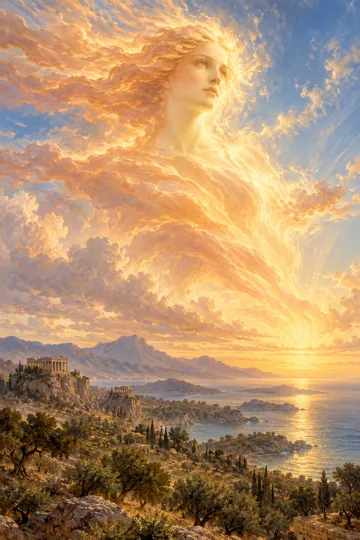
Hemera
ἩμέραPrimordial goddess and personification of Day.
Explore figure →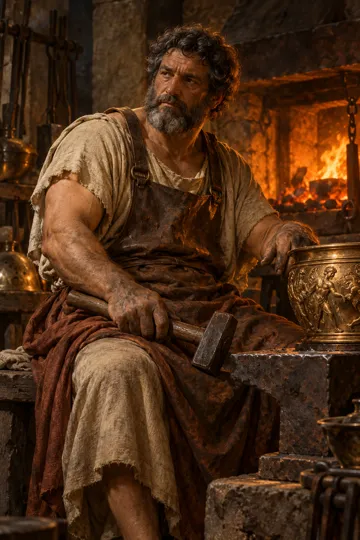
Hephaestus
ἭφαιστοςGod of fire, metalworking, craftsmanship and the forge.
Roman / Latin: Vulcan Explore figure →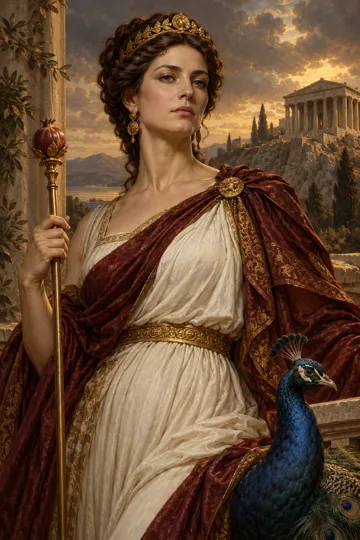
Hera
ἭραQueen of the gods and goddess of marriage and queenship.
Roman / Latin: Juno Explore figure →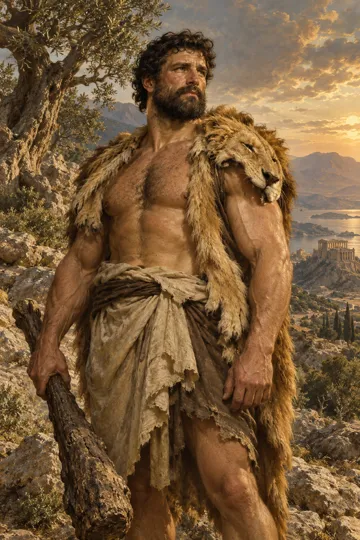
Heracles
ἩρακλῆςGreatest of the Greek heroes, famous for the Twelve Labours.
Roman / Latin: Hercules Explore figure →Hermaphroditus
ἙρμαφρόδιτοςDivine child of Hermes and Aphrodite associated with combined male and female characteristics.
Roman / Latin: Hermaphroditus Explore figure →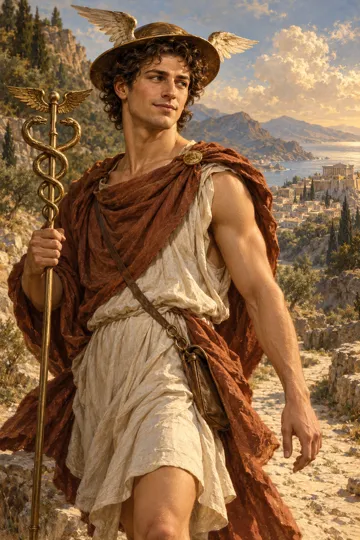
Hermes
ἙρμῆςMessenger of the gods and god of travel, boundaries, trade, thieves and heralds.
Roman / Latin: Mercury Explore figure →Hesperia
ἙσπερίαHesperia is a Hesperid nymph whose name reflects the association of the Hesperides with evening, the west and the garden of the golden apples.
Explore figure →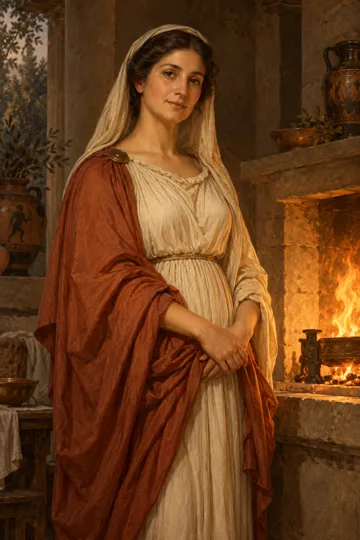
Hestia
ἙστίαGoddess of the hearth, home and domestic life.
Roman / Latin: Vesta Explore figure →Hippodamia
ἹπποδάμειαWife of Pelops, won after the famous chariot race against her father Oenomaus.
Explore figure →Hippodamia of the Lapiths
ἹπποδάμειαHippodamia of the Lapiths is the bride of Pirithous whose wedding feast becomes the setting for the Centauromachy.
Explore figure →Hippolyta
ἹππολύτηQueen of the Amazons whose belt becomes the object of one of Heracles' Labours.
Explore figure →Hippolytus
ἹππόλυτοςSon of Theseus, devoted to Artemis and central to the tragedy of Phaedra.
Explore figure →Hippomedon
ἹππομέδωνArgive warrior and one of the Seven Against Thebes.
Explore figure →Hippomenes
ἹππομένηςSuitor who defeats Atalanta in a footrace using golden apples.
Explore figure →Hyacinthus
ὙάκινθοςBeautiful youth beloved by Apollo whose death is associated with the hyacinth flower.
Explore figure →Hyllus
ὝλλοςSon of Heracles and Deianira and important ancestor of the Heracleidae.
Explore figure →Hymenaeus
ὙμέναιοςGod of marriage ceremonies and the wedding hymn.
Roman / Latin: Hymen Explore figure →Hyperion
ὙπερίωνTitan associated with heavenly light and father of Helios, Selene and Eos.
Explore figure →Hypermnestra
ὙπερμνήστραDaughter of Danaus who alone among the Danaids spares her husband Lynceus and becomes mother of Abas.
Explore figure →Hypnos
ὝπνοςPersonification of sleep.
Roman / Latin: Somnus Explore figure →Hypsipyle
ὙψιπύληQueen of Lemnos who receives Jason and the Argonauts during their voyage to Colchis.
Explore figure →Iapetus
ἸαπετόςTitan father of Prometheus, Epimetheus, Atlas and Menoetius.
Explore figure →Iasion
ἸασίωνMortal associated with Demeter and the birth of Plutus.
Explore figure →Icarius
ἸκάριοςFather of Penelope in the standard tradition.
Explore figure →Icarus
ἼκαροςSon of Daedalus who flew too close to the sun using wings of wax and feathers.
Explore figure →Idomeneus
ἸδομενεύςKing of Crete, son of Deucalion and grandson of Minos, who leads the Cretan contingent in the Trojan War.
Explore figure →Idyia
ἸδυῖαOceanid and consort of Aeetes in a major tradition.
Explore figure →Ilus
ἾλοςIlus is an early king of Troy and descendant of Tros, traditionally associated with the foundation or establishment of Ilios, the city later known as Troy.
Explore figure →Inachus
ἼναχοςRiver god of Argos and ancestor in several Argive royal genealogies.
Roman / Latin: Inachus Explore figure →Ino
ἸνώLater transformed into the sea goddess Leucothea.
Explore figure →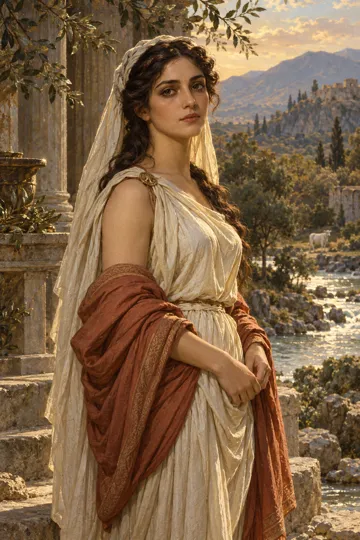
Io
ἸώPriestess of Hera loved by Zeus. Ancestress of many Greek royal houses.
Explore figure →Iobates
ἸοβάτηςKing of Lycia who sends Bellerophon against the Chimera.
Explore figure →Iphicles
ἸφικλῆςMortal half-brother and companion of Heracles, son of Amphitryon and Alcmene.
Explore figure →Iphigenia
ἸφιγένειαDaughter of Agamemnon and Clytemnestra, associated with the sacrifice at Aulis.
Explore figure →Iris
ἾριςGoddess of the rainbow and divine messenger.
Roman / Latin: Iris Explore figure →Ismene
ἸσμήνηDaughter of Oedipus and sister of Antigone.
Explore figure →Ixion
ἸξίωνKing punished by Zeus and bound to a fiery wheel for his crimes.
Explore figure →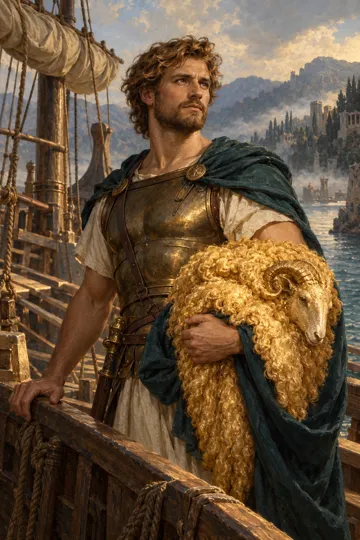
Jason
ἸάσωνLeader of the Argonauts and seeker of the Golden Fleece.
Explore figure →Jocasta
ἸοκάστηQueen of Thebes, wife of Laius and later unknowingly wife of her son Oedipus.
Explore figure →Keres
ΚῆρεςFemale death-spirits associated particularly with violent or fated death.
Roman / Latin: Tenebrae Explore figure →Kratos
ΚράτοςPersonification of strength, power and authority.
Explore figure →Labdacus
ΛάβδακοςKing of Thebes and descendant of Cadmus.
Explore figure →Lachesis
ΛάχεσιςThe Fate who measures the thread of life.
Explore figure →Ladon
ΛάδωνDragon who guarded the golden apples of the Hesperides.
Explore figure →Laertes
ΛαέρτηςKing of Ithaca and father of Odysseus in the standard tradition.
Explore figure →Laius
ΛάϊοςKing of Thebes and father of Oedipus.
Explore figure →Laomedon
ΛαομέδωνLaomedon is the king of Troy before Priam and a central figure in the city's earlier conflicts with the gods and with Heracles. His broken promises help lead to an earlier sack of Troy before the famous Trojan War.
Explore figure →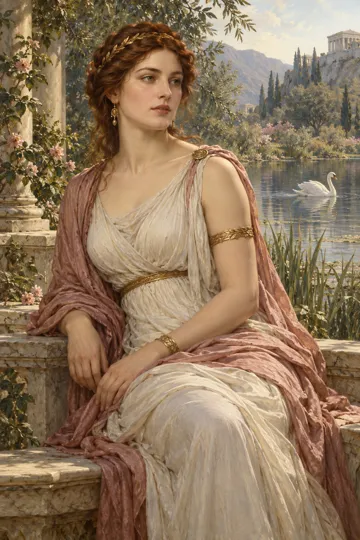
Leda
ΛήδαQueen of Sparta associated with the births of Helen, Clytemnestra, Castor and Polydeuces.
Explore figure →Lernaean Hydra
Λερναία ὝδραMany-headed serpent slain by Heracles during his labours.
Roman / Latin: Hydra Explore figure →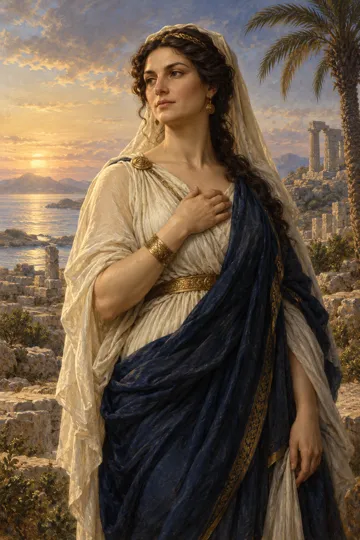
Leto
ΛητώDaughter of Coeus and Phoebe and mother of Apollo and Artemis.
Roman / Latin: Latona Explore figure →Leucothea
ΛευκοθέαSea goddess who aids sailors in distress.
Roman / Latin: Leucothea Explore figure →Libya
ΛιβύηDaughter of Epaphus and ancestress of numerous royal dynasties.
Explore figure →Linus
ΛῖνοςLegendary musician and poet associated with early musical tradition.
Explore figure →Liriope
ΛειριόπηNaiad commonly named as mother of Narcissus.
Explore figure →Lynceus
ΛυγκεύςSon of Aegyptus spared by Hypermnestra and later king of Argos, father of Abas.
Explore figure →Macaria
ΜακαρίαDivine figure associated in later tradition with blessed death.
Explore figure →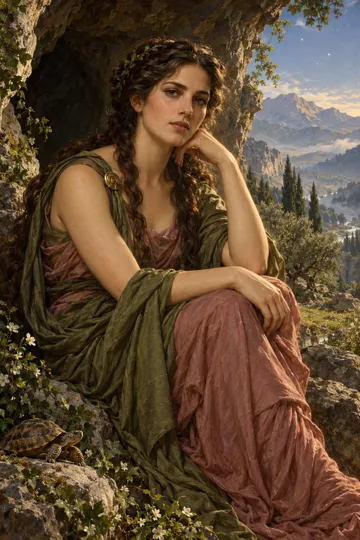
Maia
ΜαῖαOne of the Pleiades and mother of Hermes by Zeus.
Explore figure →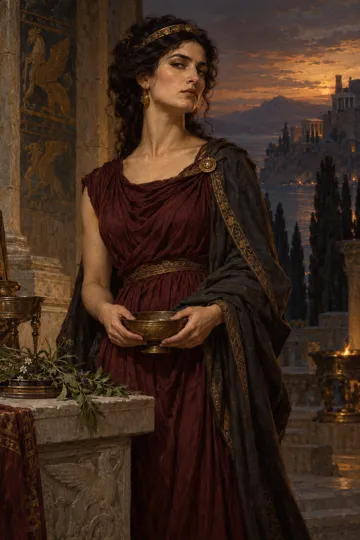
Medea
ΜήδειαSorceress princess of Colchis who helps Jason obtain the Golden Fleece.
Explore figure →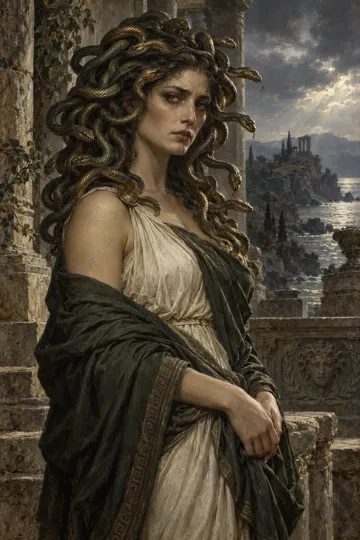
Medusa
ΜέδουσαThe mortal Gorgon whose gaze turned onlookers to stone.
Explore figure →Megaera
ΜέγαιραOne of the Erinyes, associated with vengeance against grave wrongdoing.
Roman / Latin: Fury Explore figure →Megara
ΜεγάραTheban princess and first wife of Heracles.
Explore figure →Meleager
ΜελέαγροςPrince of Calydon and central hero of the Calydonian Boar Hunt.
Explore figure →Meliae
ΜελίαιAsh-tree nymphs born in the aftermath of the castration of Uranus.
Explore figure →Melinoe
ΜηλινόηChthonic goddess associated with ghosts and night terrors in Orphic tradition.
Explore figure →Melpomene
ΜελπομένηMuse of tragedy.
Explore figure →Memnon
ΜέμνωνKing of the Aethiopians and ally of Troy who fights Achilles in the post-Iliadic traditions of the Trojan War.
Explore figure →Menelaus
ΜενέλαοςKing of Sparta, brother of Agamemnon and husband of Helen.
Explore figure →Menoetius
ΜενοίτιοςTitan associated with violent strength and rash action.
Explore figure →Menoetius of Opus
ΜενοίτιοςFather of Patroclus. Distinct from the Titan Menoetius.
Explore figure →Merope
ΜερόπηOne of the seven Pleiades.
Explore figure →Merope of Corinth
ΜερόπηQueen associated with Corinth and foster mother of Oedipus in a major version of his story.
Explore figure →Mestra
Daughter of Erysichthon who possesses the ability to change her shape in the tradition told by Ovid.
Explore figure →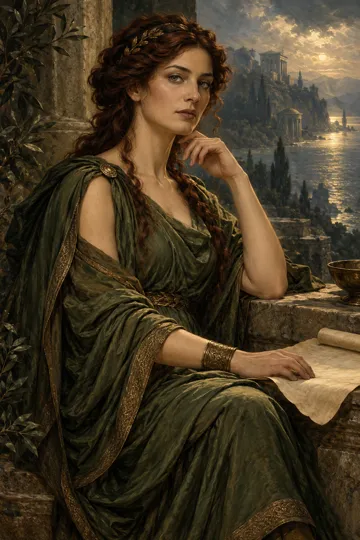
Metis
ΜῆτιςOceanid associated with wisdom, cunning and good counsel.
Explore figure →Midas
ΜίδαςKing of Phrygia famous for the golden touch and for judging a musical contest between Apollo and Pan.
Explore figure →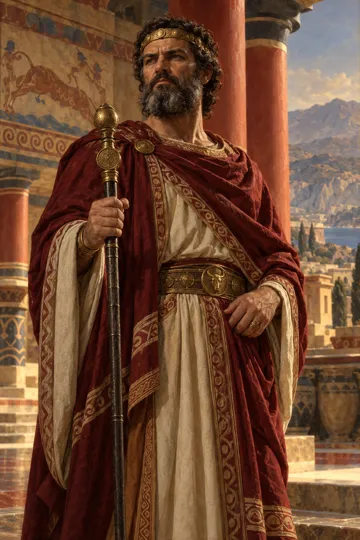
Minos
ΜίνωςKing of Crete, son of Zeus and Europa, and judge of the dead in later tradition.
Explore figure →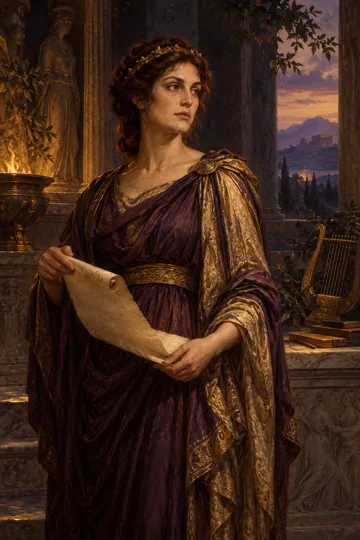
Mnemosyne
ΜνημοσύνηTitaness and personification of memory.
Explore figure →Momus
ΜῶμοςPersonification of blame, mockery and criticism.
Explore figure →Moros
ΜόροςPersonification of doom or destined fate.
Explore figure →Myrrha
ΜύρραMother of Adonis in later mythological tradition.
Explore figure →Narcissus
ΝάρκισσοςBeautiful youth who falls in love with his own reflection.
Explore figure →Nausicaa
ΝαυσικάαPhaeacian princess who helps the shipwrecked Odysseus.
Explore figure →Neleus
ΝηλεύςKing of Pylos and father of Nestor.
Explore figure →Nemean Lion
Νεμέος λέωνInvulnerable lion slain by Heracles in his first labour.
Explore figure →Nemesis
ΝέμεσιςGoddess of retribution and divine justice.
Explore figure →Neoptolemus
ΝεοπτόλεμοςNeoptolemus is the son of Achilles who joins the Trojan War after his father's death and becomes one of the warriors required for Troy's fall.
Explore figure →Nephele
ΝεφέληCloud-form created by Zeus in the likeness of Hera to test Ixion. Ixion coupled with Nephele, and from their union came Centaurus in an important tradition concerning the origins of the Centaurs.
Explore figure →Nereus
ΝηρεύςAncient sea god associated with truth, prophecy and the gentle aspects of the sea.
Explore figure →Nestor
ΝέστωρAged king of Pylos, famed for wisdom and counsel among the Greek commanders at Troy.
Explore figure →Nike
ΝίκηGoddess and personification of victory.
Roman / Latin: Victoria Explore figure →Niobe
ΝιόβηQueen who boasts of her many children and suffers terrible punishment from Apollo and Artemis.
Explore figure →Notus
ΝότοςGod of the south wind, associated with storms and late-summer rain.
Roman / Latin: Auster Explore figure →
Nyx
ΝύξPrimordial goddess and personification of night.
Roman / Latin: Nox Explore figure →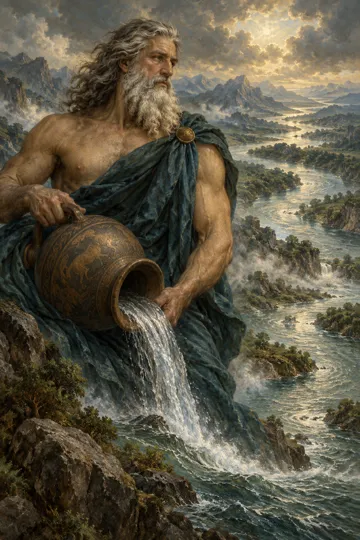
Oceanus
ὨκεανόςTitan god of the great world-encircling river Oceanus.
Explore figure →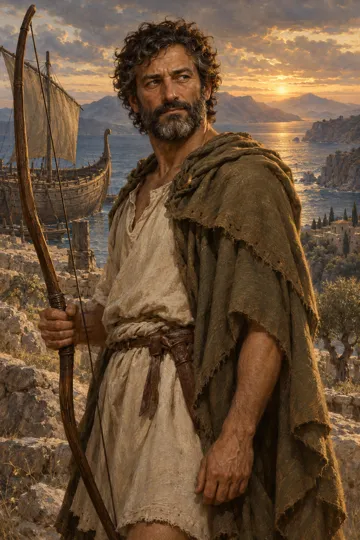
Odysseus
ὈδυσσεύςKing of Ithaca, renowned for cunning, central to the Trojan War and the Odyssey.
Roman / Latin: Ulysses Explore figure →Oeagrus
ΟἴαγροςThracian king commonly named as father of Orpheus.
Explore figure →Oedipus
ΟἰδίπουςKing of Thebes who unknowingly kills his father and marries his mother.
Explore figure →Oeneus
ΟἰνεύςKing of Calydon and father of Meleager.
Explore figure →Oizys
ὈϊζύςPersonification of misery, distress and suffering.
Roman / Latin: Miseria Explore figure →Oneiroi
ὌνειροιThe divine spirits or personifications of dreams.
Roman / Latin: Somnia Explore figure →Oreithyia
Athenian princess carried away by Boreas, god of the north wind, and mother of the winged Boreads Zetes and Calais.
Roman / Latin: Orithyia Explore figure →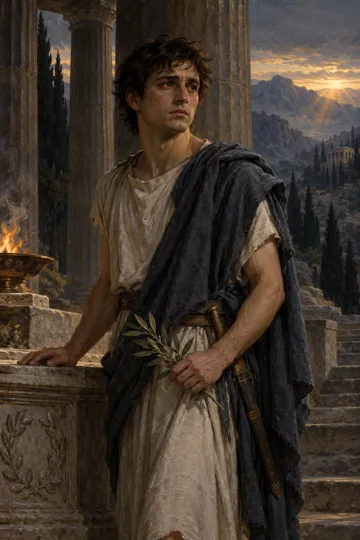
Orestes
ὈρέστηςOrestes is the son of Agamemnon and Clytemnestra who returns to avenge his father's murder by killing Aegisthus and his own mother. His revenge brings the Erinyes against him and leads to the famous trial at Athens that brings the House of Atreus cycle toward resolution.
Explore figure →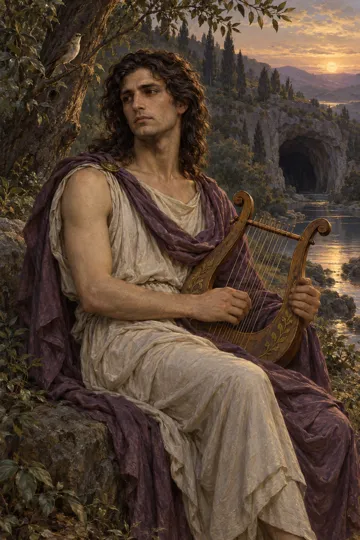
Orpheus
ὈρφεύςLegendary musician and poet whose music could charm gods, humans and nature.
Explore figure →Orthrus
ὌρθροςTwo-headed guard dog of the cattle of Geryon.
Explore figure →Ourea
ΟὔρεαThe primordial mountain gods, personifications of the mountains.
Explore figure →Palaemon
ΠαλαίμωνSea god and protector of sailors, associated with harbours.
Roman / Latin: Portunus Explore figure →Palamedes
ΠαλαμήδηςPalamedes is a clever Greek hero associated with the Trojan War whose rivalry with Odysseus ends in betrayal and death in later tradition.
Explore figure →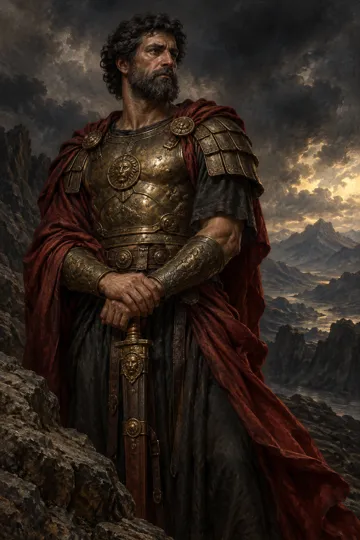
Pallas
ΠάλλαςTitan associated with warfare and father of Nike.
Explore figure →Pan
ΠάνRustic god of shepherds, flocks, wild countryside and music.
Roman / Latin: Faunus Explore figure →Pandora
ΠανδώραThe first woman in Hesiodic myth, fashioned by the gods and associated with the release of human troubles.
Explore figure →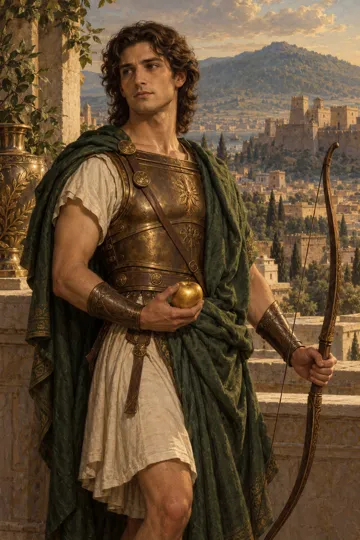
Paris
ΠάριςTrojan prince whose judgment and relationship with Helen become central to the Trojan War tradition.
Explore figure →Parthenopaeus
ΠαρθενοπαῖοςYoung warrior counted among the Seven Against Thebes in major traditions.
Explore figure →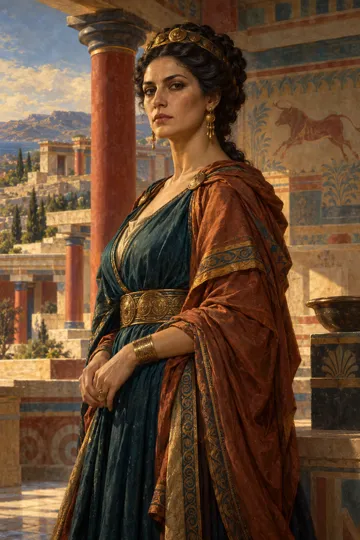
Pasiphae
ΠασιφάηDivine daughter of Helios and queen of Crete.
Explore figure →Patroclus
ΠάτροκλοςCompanion of Achilles whose death at Troy drives Achilles back into battle.
Explore figure →Pegasus
ΠήγασοςWinged horse born from Medusa, later ridden by Bellerophon.
Explore figure →Peitho
ΠειθώOceanid goddess and personification associated with persuasion and seductive speech.
Roman / Latin: Suadela Explore figure →Peleus
ΠηλεύςKing of Phthia, husband of the Nereid Thetis and father of Achilles.
Explore figure →Pelias
ΠελίαςKing of Iolcus who sends Jason to obtain the Golden Fleece.
Explore figure →Pelopia
ΠελόπειαDaughter of Thyestes and mother of Aegisthus. Her story connects the revenge of Thyestes directly to the next generation of the House of Atreus and ultimately to the murders of Atreus and Agamemnon.
Explore figure →Pelops
ΠέλοψSon of Tantalus and legendary ruler whose name was associated with the Peloponnese.
Explore figure →Pemphredo
ΠεμφρηδώOne of the Graeae.
Explore figure →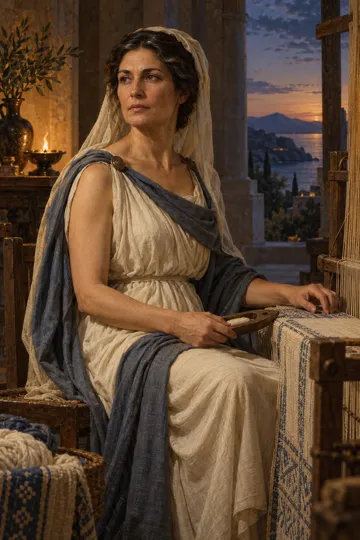
Penelope
ΠηνελόπειαWife of Odysseus, famed for fidelity and cunning during his long absence.
Explore figure →Peneus
ΠηνειόςRiver god of Thessaly, father of several nymphs in later traditions.
Roman / Latin: Peneus Explore figure →Penthesilea
ΠενθεσίλειαPenthesilea is the Amazon queen who comes to aid Troy after Hector's death and fights Achilles during the final stages of the Trojan War.
Explore figure →Pentheus
ΠενθεύςPentheus is the king of Thebes who resists the worship of Dionysus. His attempt to control the new god's followers ends with his death at the hands of the Bacchants, including his own mother Agave.
Explore figure →Periboea
ΠερίβοιαPeriboea is a woman of Greek mythological genealogy who appears as the mother of Penelope in one common tradition. She should not be confused with Periboea of Salamis, the mother of Ajax the Great.
Explore figure →Periboea of Salamis
ΠερίβοιαPeriboea of Salamis is the mother of Ajax the Great in a common Greek mythological tradition. She is distinct from the Periboea associated with Penelope's genealogy.
Explore figure →Perseis
ΠερσηΐςOceanid and consort of Helios in Hesiodic genealogy.
Explore figure →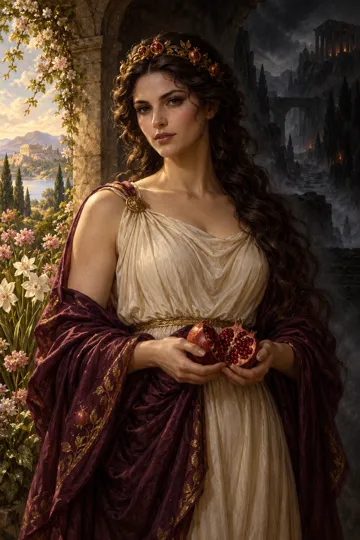
Persephone
ΠερσεφόνηQueen of the Underworld and goddess associated with vegetation, seasonal renewal and the mysteries.
Roman / Latin: Proserpina Explore figure →Perses
ΠέρσηςTitan associated in genealogy with destruction and father of Hecate.
Explore figure →Perses of the Perseids
ΠέρσηςSon of Perseus and Andromeda and legendary ancestor associated with Persia.
Explore figure →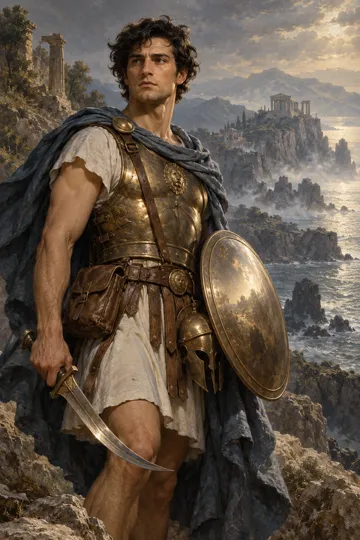
Perseus
ΠερσεύςFounder hero who slew Medusa and rescued Andromeda.
Explore figure →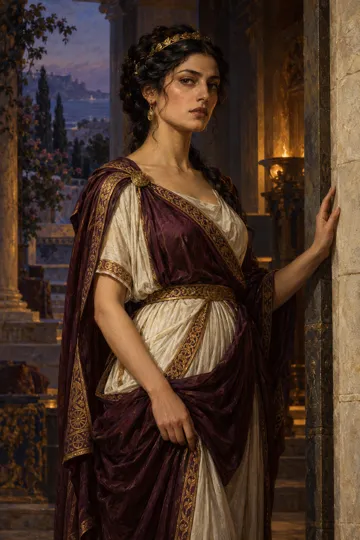
Phaedra
ΦαίδραDaughter of Minos and Pasiphaë, later wife of Theseus.
Explore figure →Phaethon
ΦαέθωνYouth famous for attempting to drive the chariot of the Sun.
Roman / Latin: Phaethon Explore figure →Philoctetes
ΦιλοκτήτηςPhiloctetes is the Greek archer who possesses the bow of Heracles. Abandoned on Lemnos because of a terrible wound, he later becomes essential to the prophecy that Troy cannot fall without him.
Explore figure →Philonoë
ΦιλονόηDaughter of Iobates who marries Bellerophon in a common tradition.
Explore figure →Philotes
ΦιλότηςPersonification of affection, friendship and intimate attachment.
Roman / Latin: Amicitia Explore figure →Phineus
ΦινεύςBlind prophetic king tormented by the Harpies and aided by the Argonauts.
Explore figure →Phobos
ΦόβοςPersonification of fear and panic in battle.
Roman / Latin: Pavor Explore figure →Phocus
ΦῶκοςPhocus is a son of Aeacus and the Nereid Psamathe. His death at the hands of his half-brothers Peleus and Telamon leads to their exile from Aegina.
Explore figure →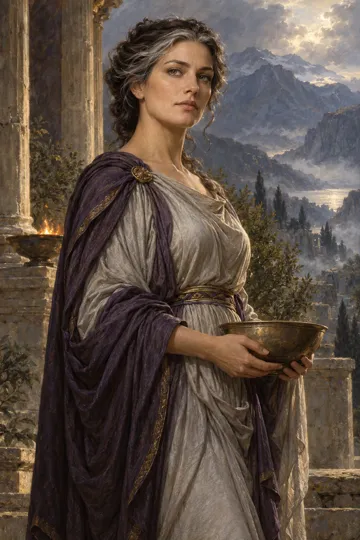
Phoebe
ΦοίβηTitaness associated with prophecy and the lineage of Apollo and Artemis.
Explore figure →Phoebe of Sparta
ΦοίβηDaughter of Tyndareus and Leda in some traditions.
Explore figure →Phoenix
ΦοῖνιξBrother of Cadmus and legendary ancestor of the Phoenicians.
Explore figure →Phorcys
ΦόρκυςAncient sea god associated with hidden dangers of the deep.
Explore figure →Phrixus
ΦρίξοςPrince carried to Colchis on the golden ram whose fleece later becomes Jason's quest.
Explore figure →Pirithous
ΠειρίθοοςPirithous is king of the Lapiths, close companion of Theseus and bridegroom at the wedding where the Centauromachy begins.
Explore figure →Pittheus
ΠιτθεύςKing of Troezen, father of Aethra and grandfather of Theseus.
Explore figure →Pleione
ΠληιόνηOceanid and mother of the Pleiades by Atlas.
Explore figure →Plutus
ΠλοῦτοςGod and personification of wealth and agricultural abundance.
Roman / Latin: Plutus Explore figure →Polybus of Corinth
ΠόλυβοςKing of Corinth who raises Oedipus as his son after the child survives exposure away from Thebes.
Explore figure →Polydeuces
ΠολυδεύκηςOne of the Dioscuri and a member of the Argonauts.
Roman / Latin: Pollux Explore figure →Polydorus
ΠολύδωροςSon of Cadmus and Harmonia.
Explore figure →Polyhymnia
ΠολυύμνιαMuse of sacred hymns.
Explore figure →Polynices
ΠολυνείκηςSon of Oedipus who leads the Seven Against Thebes against his brother Eteocles.
Explore figure →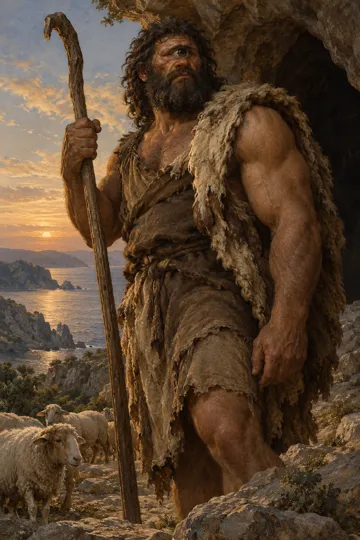
Polyphemus
ΠολύφημοςPolyphemus is the one-eyed Cyclops and son of Poseidon encountered by Odysseus during the Odyssey. His defeat through Odysseus' 'Nobody' trick leads directly to Poseidon's anger and becomes one of the defining episodes of Odysseus' journey home.
Explore figure →Polyxena
ΠολυξένηPolyxena is a Trojan princess, daughter of Priam and Hecuba, whose later tradition ends with her sacrifice at the tomb of Achilles after Troy falls.
Explore figure →
Pontus
ΠόντοςPrimordial personification of the sea, brought forth by Gaia.
Explore figure →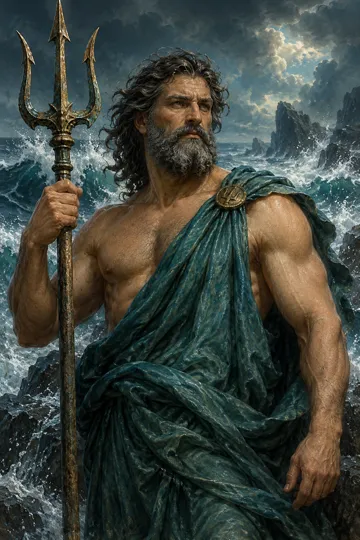
Poseidon
ΠοσειδῶνGod of the sea, earthquakes and horses.
Roman / Latin: Neptune Explore figure →Priam
ΠρίαμοςPriam is the last king of Troy, son of Laomedon and father of Hector, Paris and many other Trojan princes and princesses. His reign connects the earlier royal history of Troy with its final destruction in the Trojan War.
Explore figure →Priapus
ΠρίαποςRustic fertility god associated with gardens, livestock and agricultural abundance.
Roman / Latin: Priapus Explore figure →Proetus
ΠροῖτοςTwin brother of Acrisius and king associated with Tiryns.
Explore figure →Proetus of Tiryns
ΠροῖτοςKing associated with Bellerophon's exile and the beginning of his journey to Lycia.
Explore figure →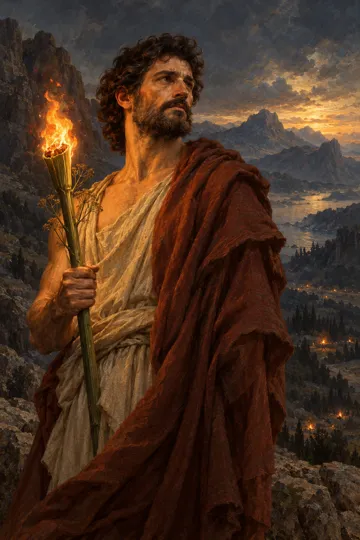
Prometheus
ΠρομηθεύςTitan associated with forethought, humanity and the theft of fire from the gods.
Explore figure →Proteus
ΠρωτεύςProphetic sea god famed for changing shape to avoid revealing the future.
Explore figure →Psamathe
ΨαμάθηNereid associated with sandy shores.
Explore figure →Pygmalion
ΠυγμαλίωνSculptor king who falls in love with a statue that Aphrodite brings to life.
Explore figure →Pyrrha
ΠύρραWife of Deucalion and survivor of the Greek flood myth.
Explore figure →Rhadamanthys
ῬαδάμανθυςBrother of Minos and judge of the dead in later tradition.
Explore figure →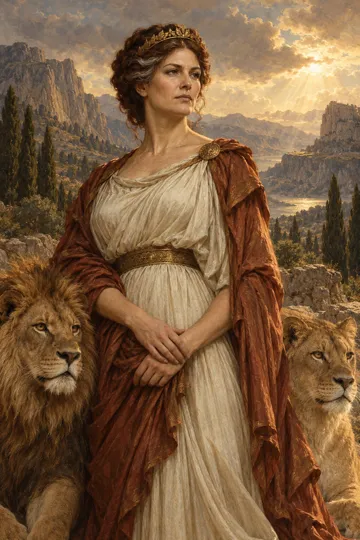
Rhea
ῬέαTitaness and mother of the first generation of Olympian gods.
Roman / Latin: Ops Explore figure →Salmacis
Nymph of a spring in Caria whose story becomes closely connected with Hermaphroditus.
Roman / Latin: Salmacis Explore figure →Sarpedon
ΣαρπηδώνLycian king and ally of Troy, son of Zeus and Laodamia in Homer's Iliad, killed by Patroclus during the Trojan War.
Explore figure →Sarpedon of Crete
ΣαρπηδώνSon of Zeus and Europa and brother of Minos and Rhadamanthys in a major Cretan genealogy, later associated with migration to Lycia.
Explore figure →Scamander
ΣκάμανδροςRiver god of the Trojan plain, prominent in the Iliad.
Roman / Latin: Xanthus Explore figure →Schoeneus
ΣχοινεύςSchoeneus is a king or nobleman of Greek mythology best known as the father of Atalanta in an important strand of her tradition.
Explore figure →Scylla
ΣκύλλαSea monster encountered by Odysseus opposite Charybdis.
Explore figure →Selene
ΣελήνηGoddess and personification of the Moon.
Roman / Latin: Luna Explore figure →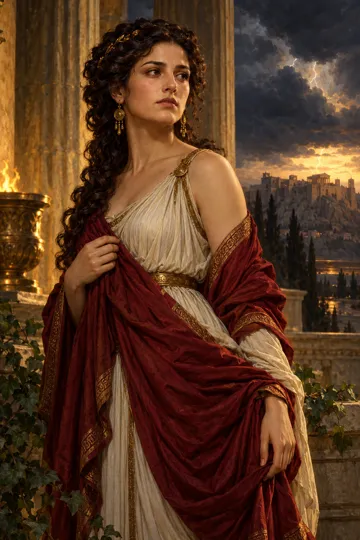
Semele
ΣεμέληSemele is a daughter of Cadmus and Harmonia and the mortal mother of Dionysus by Zeus. Her death and the unusual birth of Dionysus connect the House of Cadmus directly with one of the major Olympian gods.
Explore figure →Silenus
ΣειληνόςElder rustic deity and companion or tutor of Dionysus, associated with wine, prophecy and woodland revelry.
Roman / Latin: Silenus Explore figure →Sirens
ΣειρῆνεςDangerous singing beings whose voices lure sailors toward destruction.
Explore figure →Sisyphus
ΣίσυφοςCunning king condemned in the Underworld to roll a boulder uphill forever.
Explore figure →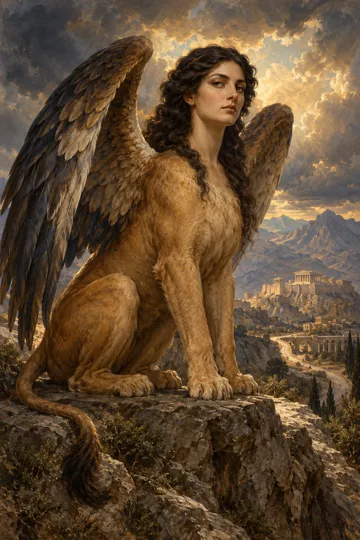
Sphinx
ΣφίγξWinged monster associated with Thebes and the riddle answered by Oedipus.
Roman / Latin: Sphinx Explore figure →Sterope
ΣτερόπηOne of the seven Pleiades, also called Asterope.
Explore figure →Stheneboea
ΣθενέβοιαWife of Proetus whose accusation against Bellerophon drives the hero to Lycia.
Explore figure →Sthenelus
ΣθένελοςSon of Perseus and Andromeda and father of Eurystheus.
Explore figure →Stheno
ΣθενώOne of the three Gorgons and traditionally immortal.
Explore figure →Stymphalian Birds
Στυμφαλίδες ὄρνιθεςDangerous birds driven from Lake Stymphalus by Heracles.
Explore figure →
Styx
ΣτύξGoddess and personification of the river Styx.
Roman / Latin: Styx Explore figure →Syrinx
ΣῦριγξArcadian nymph pursued by Pan and transformed into reeds from which the panpipes were fashioned.
Roman / Latin: Syrinx Explore figure →Talos
ΤάλωςBronze guardian of Crete who prevents ships from landing and is overcome by Medea during the Argonauts' return voyage.
Explore figure →Tantalus
ΤάνταλοςMythic king punished eternally in the Underworld and ancestor of the cursed House of Atreus.
Explore figure →Tartarus
ΤάρταροςPrimordial deity and personification of the deep abyss beneath the world.
Explore figure →Taygete
ΤαϋγέτηOne of the seven Pleiades.
Explore figure →Telamon
ΤελαμώνKing of Salamis and father of Ajax and Teucer.
Explore figure →Telemachus
ΤηλέμαχοςSon of Odysseus and Penelope, central to the opening movement of the Odyssey.
Explore figure →Telephus
ΤήλεφοςTelephus is a son of Heracles and king of Mysia whose story connects the Greeks' first failed approach to Troy with the later expedition that finally reaches the city.
Explore figure →Terpsichore
ΤερψιχόρηMuse of dance.
Explore figure →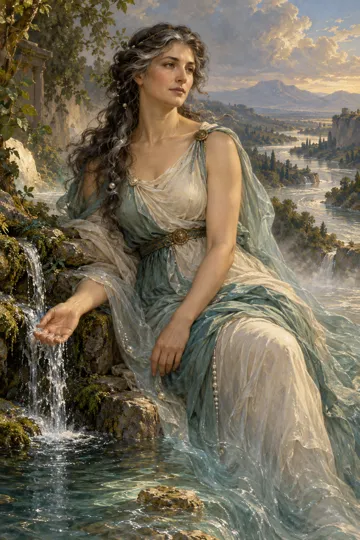
Tethys
ΤηθύςTitaness associated with fresh water and mother of the river gods and Oceanids.
Explore figure →Teucer
ΤεῦκροςFamous archer and half-brother of Ajax.
Explore figure →Thalia (Grace)
ΘάλειαGrace of abundance and festivity.
Explore figure →Thalia (Muse)
ΘάλειαMuse of comedy.
Explore figure →Thanatos
ΘάνατοςPersonification of death, especially peaceful death.
Explore figure →Thaumas
ΘαύμαςAncient sea god associated with wonders of the sea.
Explore figure →Theia
ΘείαTitaness associated with sight and shining light.
Explore figure →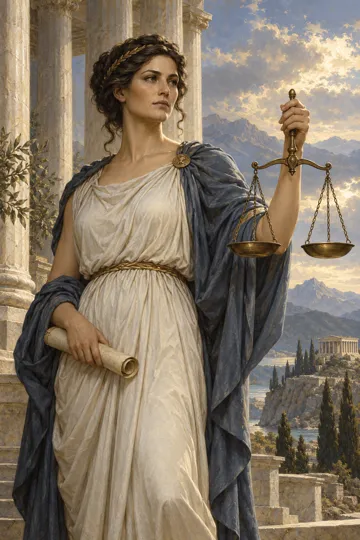
Themis
ΘέμιςTitaness of divine law, order and custom.
Explore figure →Thersander
ΘέρσανδροςSon of Polynices who joins the Epigoni and becomes associated with the restored Theban royal line.
Explore figure →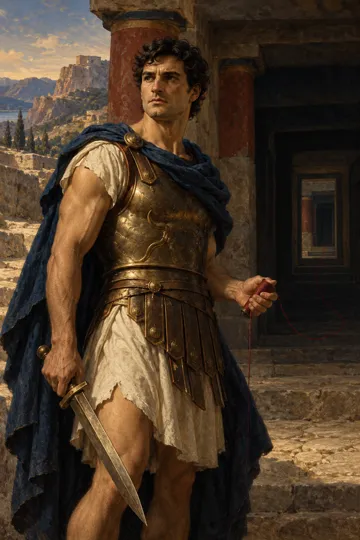
Theseus
ΘησεύςGreat Athenian hero famed for slaying the Minotaur and unifying Attica.
Explore figure →Thetis
ΘέτιςNereid sea goddess and mother of Achilles.
Explore figure →Thyestes
ΘυέστηςThyestes is the brother and rival of Atreus whose struggle for the throne of Mycenae culminates in the horrific Feast of Thyestes. His later pursuit of revenge produces Aegisthus and carries the family feud into the generation of Agamemnon.
Explore figure →Timandra
ΤιμάνδραTimandra is a daughter of Tyndareus and Leda and a sister of Clytemnestra and Helen in Greek mythological genealogy. Her story belongs to the wider family traditions surrounding the Trojan War.
Explore figure →Tisiphone
ΤισιφόνηOne of the Erinyes, associated with retribution for blood guilt and murder.
Roman / Latin: Fury Explore figure →Tithonus
Trojan prince loved by Eos and granted immortality without eternal youth.
Roman / Latin: Tithonus Explore figure →Tityos
ΤιτυόςGiant punished in the Underworld, where vultures consume his liver.
Explore figure →Triton
ΤρίτωνSea god and herald associated with Poseidon.
Roman / Latin: Triton Explore figure →Troilus
ΤρωΐλοςYoung Trojan prince whose death is associated with Achilles.
Explore figure →Tros
ΤρώςTros is an early king of the Trojan royal line whose name becomes associated with Troy and the Trojans. Through his descendants, he stands near the beginning of the dynasty that leads to Ilus, Laomedon, Priam and the Trojan War.
Explore figure →Tydeus
ΤυδεύςHero of the Seven Against Thebes and father of Diomedes.
Explore figure →Tyndareus
ΤυνδάρεωςKing of Sparta and husband of Leda.
Explore figure →Typhon
ΤυφῶνA vast serpentine storm-monster and one of Zeus's greatest enemies.
Roman / Latin: Typhon Explore figure →Urania
ΟὐρανίαMuse of astronomy.
Explore figure →
Uranus
ΟὐρανόςPrimordial personification of the sky.
Roman / Latin: Caelus Explore figure →Zagreus
ΖαγρεύςChthonic divine figure especially important in later Orphic traditions.
Explore figure →Zelus
ΖῆλοςPersonification of zeal, rivalry and emulation.
Explore figure →Zephyrus
ΖέφυροςGod of the west wind and gentle spring breezes.
Roman / Latin: Favonius Explore figure →Zetes
ΖήτηςWinged son of Boreas and member of the Argonauts who helps drive the Harpies away from Phineus.
Explore figure →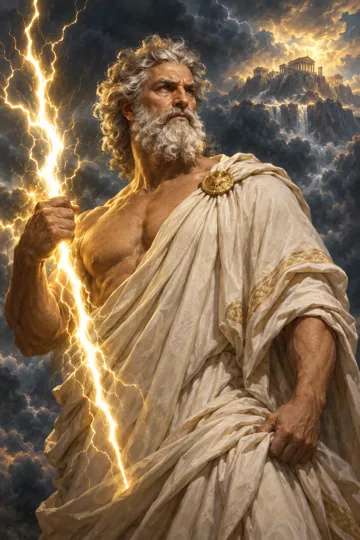
Zeus
ΖεύςKing of the gods and god of the sky, thunder and divine law.
Roman / Latin: Jupiter Explore figure →No figures found
Try a different name, category, group or letter.